
The International Air Transport Association (IATA) and aviation technology provider SITA have announced a new partnership aimed at expanding the availability of real-time turbulence information to pilots and flight operations teams.
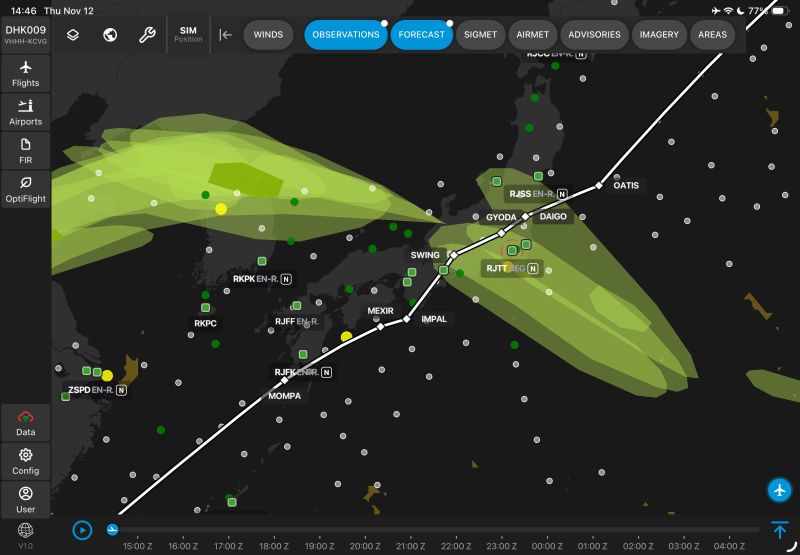
The collaboration will see IATA’s Turbulence Aware platform integrated into SITA’s eWAS+ electronic flight bag (EFB) application and Mission Watch flight tracking solution, providing wider access to turbulence intelligence across both flight deck and ground operations environments.
The announcement comes as turbulence continues to attract growing attention from both airlines and passengers, with recent IATA research indicating that passenger concern around turbulence has increased significantly over the past year.
Growing Focus on Turbulence Awareness
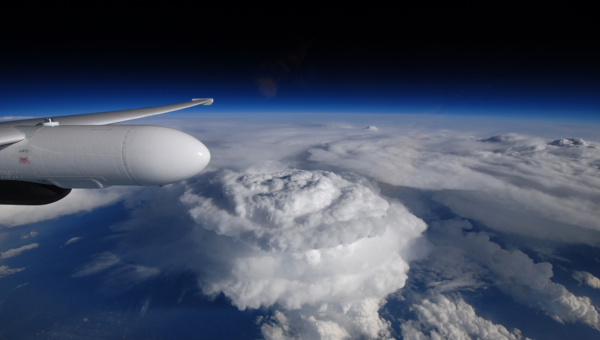
Turbulence remains one of the most common causes of in-flight injuries and operational disruptions, while also representing a growing concern for airline passengers.
According to an IATA survey conducted in April, 51% of passengers reported being more concerned about turbulence than they were a year earlier.
As airlines continue to look for ways to improve situational awareness and operational decision-making, access to accurate and timely turbulence information is becoming increasingly important for both safety and efficiency.
Expanding the Reach of Turbulence Aware
IATA’s Turbulence Aware platform was developed to improve industry-wide visibility of turbulence conditions through collaborative data sharing.
The platform aggregates anonymised turbulence reports from flights operated by more than 30 participating airlines around the world, creating a near real-time picture of atmospheric conditions encountered across the global air transport network.
By sharing turbulence observations, participating operators can provide pilots with advance awareness of conditions ahead on their route, allowing crews to make more informed operational decisions.
The system is designed to supplement weather forecasting and traditional turbulence prediction methods with actual operational data gathered directly from aircraft.
Integration with eWAS+ and Mission Watch
Through the new partnership, Turbulence Aware data will be incorporated into two of SITA’s operational solutions.
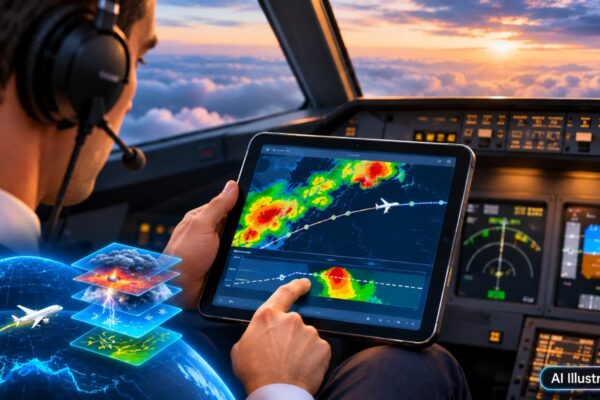
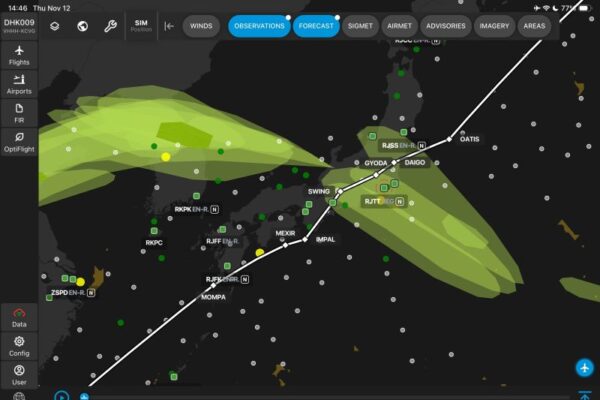
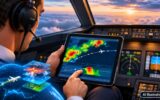
Within the cockpit, the integration with eWAS+ will enable pilots to access turbulence intelligence alongside existing weather and operational information already available through the electronic flight bag environment.
On the ground, the integration with Mission Watch will provide dispatchers and operational control centre (OCC) personnel with greater visibility of turbulence conditions affecting active and planned flights.
Bringing the data into both airborne and ground-based decision-making tools creates a common operational picture, helping flight crews and dispatch teams assess turbulence risks using the same information sources.
Supporting Flight Operations Decision-Making
The availability of near real-time turbulence information can support a range of operational activities, including route optimisation, flight planning, turbulence avoidance and the management of passenger and crew safety.
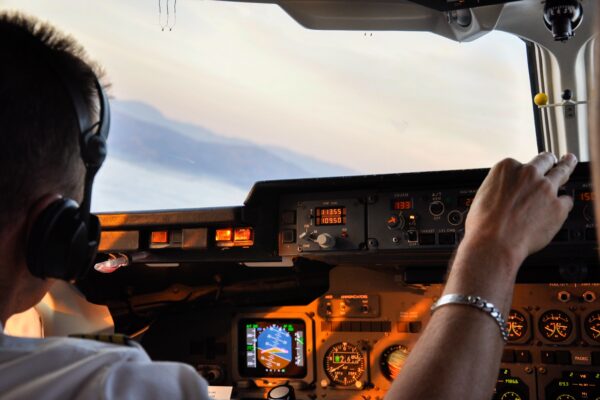
For pilots, access to current turbulence reports may assist with tactical routing decisions and seatbelt sign management.
For dispatchers and OCC teams, turbulence intelligence can contribute to route planning, flight monitoring and operational risk assessment throughout the duration of a flight.
The integration also reflects a broader industry trend towards greater use of shared operational data to support predictive and proactive decision-making.
A Collaborative Approach to Operational Safety
The partnership between IATA and SITA highlights the continuing role of industry collaboration in addressing operational challenges through digital technology and shared data.
Rather than developing standalone turbulence monitoring capabilities, the initiative extends access to an existing industry platform through operational tools already used by airlines for flight planning, flight monitoring and weather awareness.
As turbulence remains a key focus area for airlines worldwide, wider access to near real-time turbulence intelligence could help improve operational awareness for both flight crews and ground operations teams while supporting safer and more informed decision-making across the flight operation lifecycle.
IATA and SITA have indicated that the integration will expand the availability of Turbulence Aware data across their respective operational platforms, further extending the reach of collaborative turbulence reporting within the aviation industry.