

India’s expanding aviation industry needs more pilots. Air India is taking a significant step towards developing them through its own training infrastructure.
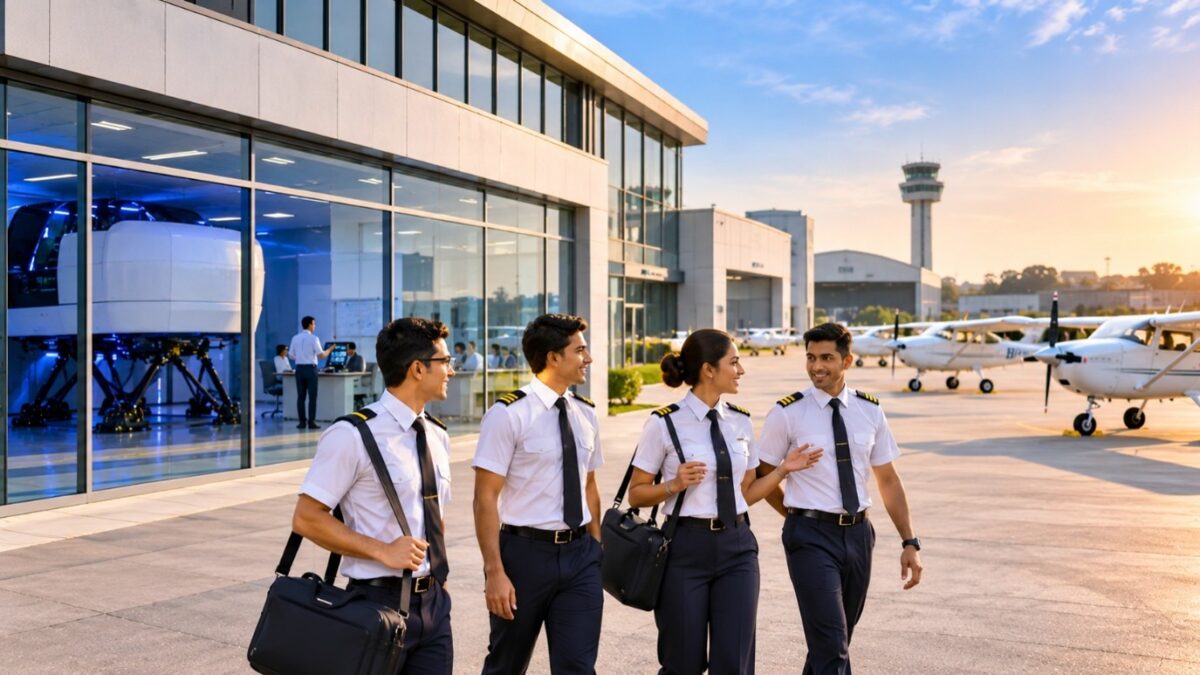
The airline has secured approval from India’s Directorate General of Civil Aviation (DGCA) for its new Air India Flying Academy at Belora Airport in Amravati, Maharashtra.
The approval marks an important milestone for the project, which is designed to strengthen India’s domestic pilot-training capacity and create a more direct pathway from initial flight training to airline operations.
According to Air India, it is the first flying training academy of its kind established by an Indian airline in the country.
34 Aircraft, Three Simulators and 180 Cadets
The academy has been developed across a 10-acre campus and features a dedicated fleet of 34 training aircraft:
- 31 single-engine Piper Archer aircraft.
- Three twin-engine Diamond DA42 NG aircraft.
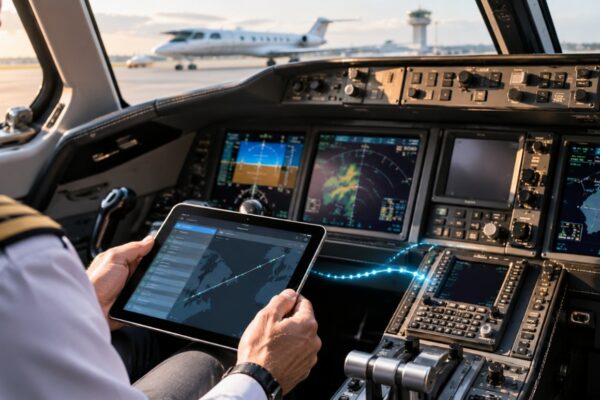
The aircraft feature Garmin G1000 NXi avionics and ADS-B technology, introducing cadets to modern cockpit displays, navigation systems and situational awareness tools.
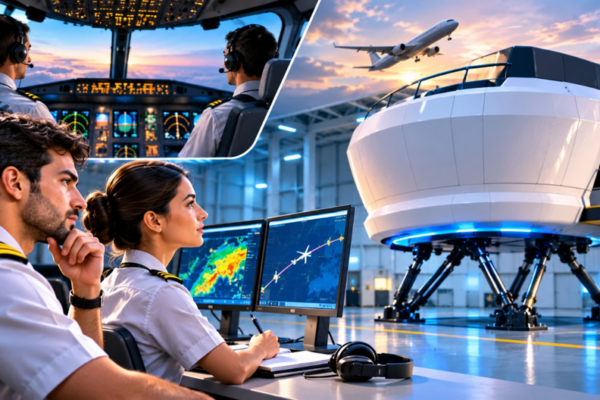
Three fixed-base simulation training devices will support the flying programme, allowing students to practise procedures and develop cockpit skills before progressing to aircraft training.
The academy is designed to accommodate up to 180 cadets simultaneously, while Air India’s previously announced objective is to graduate approximately 180 commercial pilots annually once operations reach their intended capacity.
From Ground School to the Airline Cockpit
Air India’s cadet pathway combines theoretical instruction, practical flight training and subsequent airline preparation.
The programme includes an estimated 18-month ground-school and flight-training phase, followed by further licensing, ATPL ground school and aircraft type-rating training.
Air India’s programme materials indicate that the complete pathway to joining the Air India Group takes approximately 26 months.
During the flying phase, cadets are expected to complete approximately 200 flight hours, comprising 185 hours on single-engine aircraft and 15 hours on multi-engine aircraft.
The Amravati facility complements Air India’s larger aviation training academy in Gurugram, creating a broader training ecosystem supporting the airline’s future workforce requirements.
Building India’s Own Pilot Pipeline
The investment reflects a wider challenge facing rapidly expanding aviation markets: developing enough qualified flight crew to support long-term fleet growth.
By establishing its own flying academy, Air India is seeking greater involvement in the development of future pilots, from initial training through to airline-specific qualifications.
The model also offers an opportunity to introduce airline operating standards, safety culture and professional expectations earlier in a pilot’s development.
However, regulatory approval should not be confused with the commencement of full training operations.
The academy must still progress through its operational launch and demonstrate that its planned training capacity can be delivered consistently.
For India’s aviation industry, the significance extends beyond one airline.
Air India’s investment represents a shift towards building more pilot-training capacity domestically, with airlines taking a greater role in developing the next generation of flight crew.