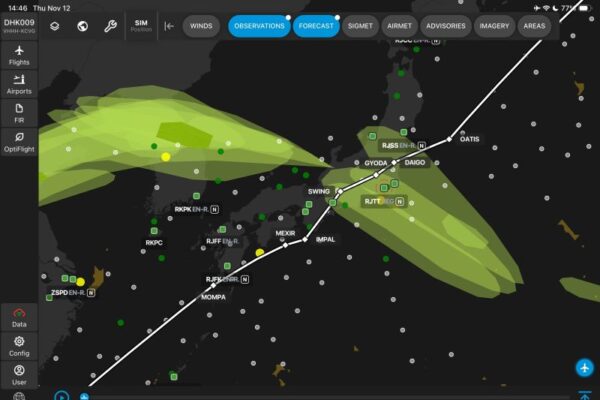


Jeppesen ForeFlight has announced two new AI-powered operational agents for business aviation, introducing Trip Feasibility and Ops Briefing within ForeFlight Dispatch. Unveiled at NBAA-BACE 2026, the new capabilities are designed to help flight planners, dispatchers and operational control teams assess flights more efficiently and build a clearer operational picture before and during daily planning activities.
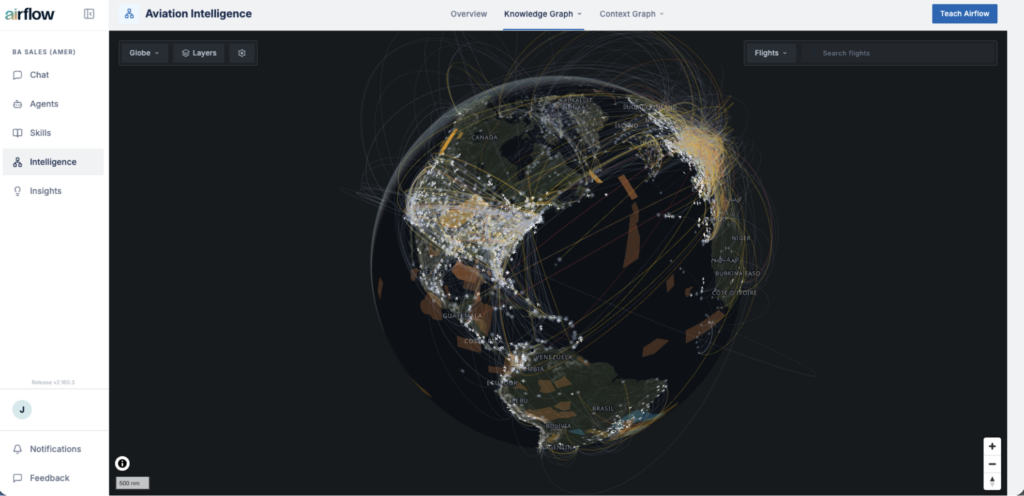
The announcement represents the latest development in ForeFlight’s Airflow initiative, a programme focused on applying artificial intelligence to operational aviation workflows while maintaining transparency, certified data inputs and human oversight.
Five business aviation operators and service providers, including Axis Aviation, Aircraft Service Group, Thrive Aviation, JetHouse and Sparfell, are currently participating in the Airflow co-development programme, with a broader rollout planned for early 2027.
Bringing AI into Business Aviation Operations
Flight planning teams often spend considerable time gathering information from multiple sources before determining whether a trip can be operated as planned.
Operational restrictions, permit requirements, weather, airport limitations, NOTAMs and regulatory considerations frequently exist across separate systems and providers, requiring planners to manually combine information before making decisions.
ForeFlight’s latest Airflow agents aim to streamline this process by bringing together operational intelligence from across the company’s aviation data ecosystem into a single workflow within ForeFlight Dispatch.
Rather than functioning as a general-purpose AI assistant, Airflow has been developed specifically around aviation operational processes and certified aviation data sources.
According to ForeFlight, the objective is not to replace operational decision-making, but to reduce manual information gathering and provide teams with a more comprehensive assessment of operational conditions.
Trip Feasibility: Evaluating Flights Before They Become Problems
The first of the newly announced capabilities, Trip Feasibility, is designed to help operators determine whether a proposed trip can realistically be completed before committing resources and scheduling decisions.
In many business aviation operations, planners may only identify potential issues after a trip has already progressed through parts of the planning process. Restrictions relating to permits, slots, airport operating hours or geopolitical constraints can emerge late in the workflow, creating disruption and additional workload.
Trip Feasibility seeks to address this challenge by evaluating multiple operational factors simultaneously from within ForeFlight Dispatch.
The capability reviews a broad range of operational considerations, including:
- Country sanctions and restrictions
- eAPIS requirements
- Overflight and landing permits
- NOTAM information
- Current, forecast and historical weather
- Airport operating restrictions
- Prior Permission Required (PPR) requirements
- Slot coordination requirements
- Customs availability
- Fire category limitations
- Aircraft parking considerations
- Noise restrictions
- Fuel availability
- Runway performance and runway length considerations
Bringing these factors together into a single assessment could help operators identify potential obstacles much earlier in the planning cycle.
Tim Schuetze, Chief Product Officer at Jeppesen ForeFlight, highlighted the value of providing planners with operational clarity before resources are committed.
“Operators shouldn’t have to discover that a trip won’t work after they’ve already committed to it. Trip Feasibility brings the information planners need together earlier in the process, so they can identify potential issues and make better decisions before a trip moves forward.”
Reducing Fragmented Planning Workflows
One of the more significant aspects of Trip Feasibility is its attempt to reduce the number of systems that planners need to consult when evaluating a flight.
Traditionally, business aviation dispatch personnel may need to consult separate permit providers, weather systems, airport information databases, NOTAM services and regulatory resources before establishing whether an itinerary is achievable.
By consolidating those checks within a single workflow, operators could potentially reduce both planning time and the likelihood of overlooking operational constraints.
For smaller flight departments with limited personnel, this may be particularly beneficial, as dispatch responsibilities are often performed by individuals managing multiple operational functions simultaneously.
Ops Briefing: Automating the Start of the Operational Day
The second Airflow capability announced at NBAA-BACE 2026 is Ops Briefing, which focuses on providing planners and dispatchers with a consolidated operational overview at the start of each shift.
Gathering weather and NOTAM information is one of the first tasks performed by many flight operations personnel each day. This process often involves reviewing multiple sources and manually assessing which items may have operational relevance.
Ops Briefing automates this activity by generating an AI-powered briefing directly within ForeFlight Dispatch.
The system consolidates:
- NOTAM information
- Current weather conditions
- Forecast weather information
- Operational impacts relevant to ongoing flight activities
Rather than spending valuable time gathering information from disparate systems, planners begin with a standardised operational picture that can be shared across the operations team.
This approach may help establish greater consistency between staff members and shifts by ensuring all personnel begin their planning activities using the same foundational operational data.
Supporting a Common Operating Picture
For flight operations centres and dispatch teams, maintaining a shared operational understanding is critical.
Differences in information sources, briefing methods or interpretation can sometimes result in inconsistent situational awareness across operational teams.
Ops Briefing addresses this challenge by generating a common briefing based on ForeFlight’s certified aviation data sources, allowing teams to begin their day with a consistent overview of active operational factors.
Schuetze described the capability as automating a routine but important operational task.
“Every shift starts with the same basic question: what do I need to know today? Ops Briefing automates that first step, giving planners a consolidated picture of NOTAMs and weather so they can spend less time gathering information and more time acting on it.”
ForeFlight’s Approach to Aviation AI
The announcement also provides further insight into ForeFlight’s broader strategy for deploying artificial intelligence within aviation operations.
Unlike many general AI implementations currently entering the market, Airflow has been designed around five operational principles intended to align with aviation’s regulatory and safety-focused environment.
ForeFlight states that Airflow agents are built to:
Reason Within Aviation Context
The system is designed around established aviation workflows and operational processes rather than relying solely on historical pattern recognition or generic AI reasoning.
Use Certified Aviation Data
All recommendations and outputs are based on Jeppesen ForeFlight’s aviation data infrastructure, allowing operational assessments to be built upon recognised aviation information sources.
Provide Transparent Recommendations
A key objective is maintaining visibility into how recommendations are generated, enabling users to understand the operational inputs, assumptions and constraints behind any conclusions.
Operate Within Existing Safety Frameworks
ForeFlight has positioned Airflow as a tool that works within established Safety Management System (SMS) processes rather than attempting to replace them.
Keep Humans in Control
Perhaps most importantly for flight operations professionals, Airflow has been designed around human oversight. Operational personnel retain responsibility for decisions and can determine how much automation is incorporated into their workflows.
Towards Practical Operational Intelligence
The introduction of Trip Feasibility and Ops Briefing highlights a growing shift within aviation technology toward operationally focused AI applications.
Rather than targeting pilot-facing automation or decision replacement, ForeFlight’s latest developments focus on reducing administrative workload, consolidating operational information and helping dispatchers and planners reach decisions more efficiently.
For business aviation operators, where planning teams are often relatively small and operational flexibility is critical, the ability to quickly assess trip viability and begin each day with a comprehensive operational briefing could provide meaningful efficiency gains.
As the Airflow programme moves toward broader deployment in 2027, the industry will be watching closely to see how AI-driven operational intelligence can be integrated into flight planning workflows while maintaining the transparency, accountability and human oversight that aviation demands.