
Weather Data Moves Closer to the Point of Operational Decision-Making
Weather remains one of the most influential variables in aviation. From dispatch planning and fuel calculations to route optimization and in-flight decision-making, accurate and timely meteorological information can have a significant impact on operational efficiency, safety, and passenger comfort.
Against this backdrop, the newly announced partnership between TALORA, the Electronic Flight Bag (EFB) platform developed by DextraData Aviation Technologies, and weather intelligence provider Meteomatics represents another step in the industry’s ongoing effort to better integrate operational data into the cockpit workflow.
Rather than requiring pilots to consult multiple applications and information sources, the collaboration aims to make high-resolution weather intelligence available directly within the EFB environment, alongside the flight-critical information crews already use throughout the flight lifecycle.
For airline operators, flight crews and Operations Control Centres (OCCs), the development reflects a broader trend toward increasingly connected flight operations and more integrated decision-support tools.
The Growing Importance of Integrated Weather Intelligence
Modern airline operations generate vast amounts of operational data. Dispatch releases, flight plans, NOTAMs, performance calculations, navigation charts and operational documentation are increasingly being delivered through digital platforms rather than standalone systems.
Weather information has often remained somewhat fragmented within this ecosystem, with crews frequently switching between multiple sources to obtain forecasts, observations and route-specific weather insights.
The TALORA-Meteomatics collaboration seeks to address this challenge by integrating weather intelligence directly into an operational workflow that already encompasses navigation charts, electronic flight folders, documentation, checklists, aircraft performance and mass and balance functionality.
The objective is not simply to provide more weather information, but to place relevant weather data within the operational context where decisions are being made.
For pilots and dispatchers, this can potentially reduce information silos and improve access to weather intelligence during both pre-flight planning and en-route operations.
Supporting More Informed Operational Decisions
Every commercial flight is influenced by weather in some form.
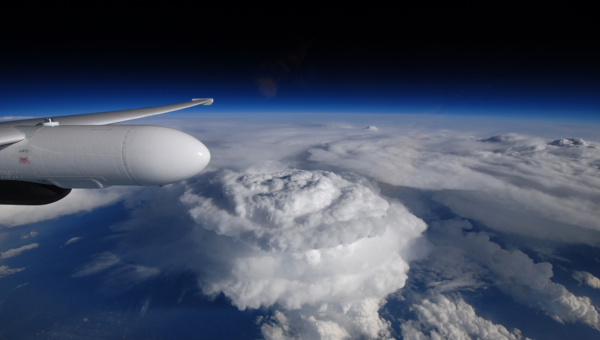
Thunderstorms may drive route changes. Upper winds can significantly affect fuel burn. Turbulence forecasts influence passenger comfort strategies. Convective activity, volcanic ash, winter weather and tropical systems all present unique operational challenges that require continuous assessment.
By integrating weather intelligence into the EFB environment, flight crews can access relevant meteorological information without leaving the platform they use to manage many other aspects of flight operations.
This approach aligns with a growing industry focus on improving situational awareness and streamlining operational workflows.
For OCC personnel supporting flights from the ground, the availability of consistent weather information across connected operational systems may also contribute to more efficient coordination between dispatchers and flight crews when weather-related operational decisions are required.
What Meteomatics Brings to the Partnership
Meteomatics has established itself as a provider of high-resolution weather intelligence across multiple industries, including aviation.
The company’s offering combines data from more than 110 weather models and data sources, with access to over 1,800 meteorological parameters. Through its Weather API, organisations can integrate real-time observations, forecast products and historical weather information directly into existing operational platforms.
Particularly relevant for aviation are Meteomatics’ proprietary high-resolution forecast models, including:
- EURO1k, a one-kilometre resolution weather model covering Europe
- US1k, a one-kilometre resolution weather model covering the United States and Gulf of Mexico
- Forecast updates with temporal resolutions as frequent as 15 minutes
- Scalable integration capabilities designed for operational environments requiring rapid access to weather information
As aviation weather forecasting continues to evolve, increasingly granular forecast data has the potential to support more localized assessments of operational risks and opportunities.
Strengthening TALORA’s Connected EFB Vision
The integration also reflects the broader strategic direction of TALORA as an all-in-one EFB platform.
Rather than focusing solely on electronic documentation, modern EFB solutions are increasingly becoming operational hubs where crews can access a wide range of flight-critical information through a single interface.
TALORA’s existing capabilities include:
- Navigation charts
- Electronic Flight Folder (EFF) functionality
- Electronic documentation
- Electronic checklists
- Aircraft performance tools
- Mass and Balance functionality
- Connected operational workflows
The addition of advanced weather intelligence further expands the platform’s role as a central source of operational information for flight crews.
From an operational perspective, the value of such integrations lies in reducing system fragmentation and supporting more efficient information management during periods of high workload.
Industry Trend Towards Connected Flight Operations
The TALORA-Meteomatics partnership is also indicative of a wider movement within commercial aviation.
Airlines are increasingly seeking ways to connect historically separate operational systems, creating a more unified information environment that links OCCs, flight planning, aircraft systems and flight crews.
This trend is driven by several factors:
- Increasing operational complexity
- Growing volumes of available operational data
- Demand for greater efficiency and resilience
- Expanding digitalisation initiatives across airline operations
- A desire to reduce manual processes and duplicate data handling
As operational platforms become more interconnected, weather intelligence is emerging as a key component of the broader digital flight operations ecosystem.
Industry Perspectives
Commenting on the partnership, Stephen Young, Chief Commercial Officer at TALORA, highlighted the operational importance of weather information within aviation decision-making:
“Weather is one of the most important variables in aviation and has a direct impact on flight planning, operational decision-making and the way crews manage changing conditions. Our partnership with Meteomatics enables us to further strengthen the weather capabilities within TALORA and bring high-quality weather information directly into the EFB environment.”
From the weather intelligence provider’s perspective, Arjen Piest, Global Aviation Lead at Meteomatics, emphasized the operational realities faced by flight crews:
“Aviation runs on margins the rest of us never see: a flight plan that has to account for volcanic ash, a typhoon and turbulence for several hours out. TALORA’s team understood that from the first conversation, and building weather intelligence into their EFB the way they’re doing it is exactly the kind of integration we want to be part of. We’re proud to be a weather provider behind it.”
The comments reflect a common theme within the aviation technology sector: delivering operational data at the point where it can be most effectively used.
Looking Ahead
As airlines continue to modernize operational processes, the integration of meteorological intelligence directly into flight operations platforms is likely to become increasingly common.
For pilots, access to timely weather information within the EFB environment may simplify workflow management and reduce the need to consult multiple systems. For operators and OCC teams, improved information integration has the potential to support more coordinated operational decision-making across the flight lifecycle.
While the effectiveness of any technology ultimately depends on how it is implemented and used by operators, the TALORA-Meteomatics partnership highlights the industry’s continuing focus on connected operations, data integration and improving situational awareness for aviation professionals.
In an environment where weather remains one of the most dynamic and influential operational variables, making accurate weather intelligence more accessible within existing workflows represents a logical evolution in the development of modern digital flight operations.