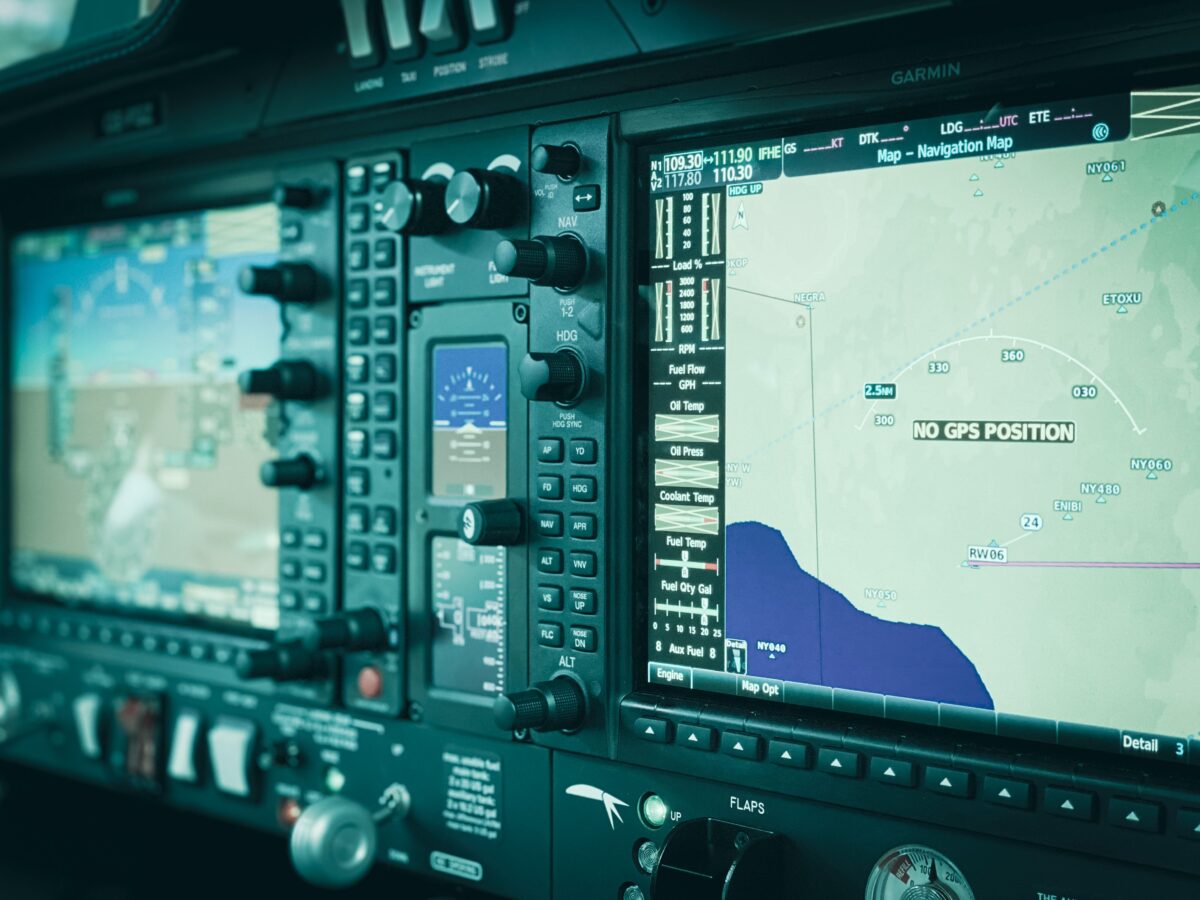

European aviation regulators have taken a significant step toward addressing one of the industry’s fastest-growing operational threats with the publication of a joint action plan aimed at safeguarding aircraft operations from the increasing impact of Global Navigation Satellite System (GNSS) interference.
The initiative, jointly released by the European Union Aviation Safety Agency (EASA) and EUROCONTROL, provides a coordinated roadmap for enhancing the safety and resilience of European aviation in an environment where satellite navigation disruptions are becoming increasingly common.
As modern aviation has become heavily dependent on GNSS-based navigation and surveillance capabilities, incidents involving signal jamming and spoofing have emerged as a growing concern, particularly in regions influenced by geopolitical tensions and conflict zones. The new action plan seeks to address these challenges through improved coordination, harmonized procedures, enhanced situational awareness, and long-term technological improvements.
A Growing Threat to Modern Aviation Operations
GNSS technologies have become a critical component of modern air transport.
They provide aircraft with highly accurate positioning, navigation, and timing information that supports everything from en-route navigation and air traffic management to instrument procedures and Performance-Based Navigation (PBN) operations.
The widespread adoption of satellite-based navigation has delivered substantial benefits to the aviation industry, including:
- More direct and efficient flight paths
- Reduced fuel consumption
- Lower emissions
- Increased airspace capacity
- Improved access to airports with limited ground infrastructure
However, the growing reliance on GNSS systems has also introduced new vulnerabilities.
Radio Frequency Interference (RFI), including both intentional interference such as jamming and spoofing as well as unintentional disruptions, has become increasingly prevalent across several regions. While the most serious events often occur near conflict zones, their effects can extend far beyond these areas, creating operational challenges for airlines, air navigation service providers, and flight crews.
Although aircraft are capable of operating safely without GNSS through alternative navigation methods and system redundancies, widespread or prolonged interference can reduce operational resilience and impact the continuity of flight operations.
A Coordinated European Response
Recognizing the need for a more structured and collaborative approach, EASA and EUROCONTROL have developed a joint action plan designed to strengthen Europe’s ability to detect, assess, manage, and mitigate GNSS interference events.
The strategy focuses on preserving safety while minimizing disruption to airspace users and maintaining network capacity across Europe.
Importantly, the plan establishes a roadmap covering short-, medium-, and long-term actions while clearly defining responsibilities for the various stakeholders involved across the aviation ecosystem.
Commenting on the initiative, Florian Guillermet, Executive Director of EASA, highlighted the importance of transitioning from reactive measures toward a more comprehensive framework.
“While the potential threat to aviation safety from GNSS interference has so far been mitigated by short-term actions such as raising pilot awareness, it is clear that more needs to be done.”
“This Action Plan lays out and prioritises short, mid and longer-term actions and, importantly, also assigns roles to the various aviation actors. By working together with EUROCONTROL and pooling our expertise, we have been able to create a strong plan that will enable the wider sector to come together to counter this threat.”
His comments reflect growing industry recognition that GNSS interference can no longer be viewed as an isolated operational issue, but rather as a strategic challenge requiring coordinated action across multiple sectors of aviation.
Creating a Common Picture of the Threat
One of the central objectives of the action plan is establishing a shared and validated operational picture of GNSS interference activity across Europe.
Today, interference events are often reported through different national and operational channels, making it difficult to develop a comprehensive understanding of trends, hotspots, and potential risk levels.
Through enhanced monitoring, reporting, and data-sharing mechanisms, EASA and EUROCONTROL aim to improve the industry’s collective situational awareness.
By combining operational information, technical expertise, and safety intelligence from multiple sources, the organizations hope to better identify interference patterns and understand their operational consequences.
A common operational picture will enable aviation stakeholders to respond more rapidly and consistently when disruptions occur, improving both operational efficiency and safety outcomes.
Standardizing Operational Responses
A key challenge during GNSS interference events is ensuring that pilots, air traffic controllers, and operational personnel react consistently.
Variations in procedures, terminology, and reporting practices can create unnecessary complexity during already demanding situations.
To address this, the action plan includes the development of harmonized operational procedures and standardized phraseology for use during navigation disruptions.
Updated guidance will be produced for both flight crews and air traffic controllers, helping them manage degraded navigation environments more effectively while maintaining safe flight operations.
The objective is to ensure that all aviation stakeholders across Europe follow a coordinated approach when responding to interference events, regardless of where they occur.
Such harmonization is expected to improve operational predictability and reduce the potential for misunderstandings during critical situations.
Enhancing Information Sharing Across Europe
Another significant pillar of the strategy focuses on strengthening information exchange between states, operational stakeholders, and relevant authorities.
GNSS interference incidents often involve multiple jurisdictions and can have both civil and military dimensions.
The action plan seeks to improve coordination mechanisms that allow information to be shared more quickly and transparently across national boundaries.
By facilitating timely communication between member states and operational partners, EASA and EUROCONTROL aim to minimize disruptions to flight operations while preserving airspace capacity.
Enhanced information-sharing procedures will also support more effective investigations into interference events and help identify underlying causes and emerging threats.
Building More Resilient Navigation Systems
While many of the plan’s immediate measures focus on operational responses, the longer-term objective is to increase the resilience of aviation navigation infrastructure itself.
To achieve this, EASA and EUROCONTROL intend to work closely with aircraft manufacturers, avionics suppliers, and technology providers to support the development of more interference-resistant systems.
As jamming and spoofing techniques continue to evolve, future avionics will need to incorporate enhanced capabilities for detecting, mitigating, and managing navigation disruptions.
The collaboration between regulators and industry is expected to play a critical role in ensuring that future aircraft systems are better equipped to operate in increasingly challenging electromagnetic environments.
This reflects a broader trend within aviation toward designing greater resilience into safety-critical systems rather than relying solely on procedural mitigations.
Responding to Industry and Government Concerns
The joint action plan also addresses growing concerns among European governments regarding the rise in GNSS-related incidents.
In June 2025, thirteen European Union Member States formally called on the European Commission to take immediate and coordinated action to address the increasing number of Radio Frequency Interference events affecting GNSS-dependent operations.
The newly published action plan represents a direct response to those concerns while also incorporating recommendations and guidance from international aviation bodies, including:
- International Civil Aviation Organization (ICAO)
- International Air Transport Association (IATA)
- European aviation stakeholders
- National authorities and operational partners
This broad alignment is intended to ensure that European efforts remain consistent with global aviation safety initiatives.
Industry Perspective
The publication of the EASA-EUROCONTROL Action Plan marks an important milestone in aviation’s response to the growing challenge of GNSS interference.
While satellite-based navigation has transformed modern aviation by improving efficiency, reducing fuel burn, and enabling advanced navigation procedures, it has also created new dependencies that require enhanced protection.
The action plan acknowledges a reality increasingly recognized across the industry: GNSS interference is no longer a rare occurrence but an operational hazard that demands a coordinated and long-term strategy.
For airlines, air navigation service providers, aircraft manufacturers, and regulators, the success of the initiative will depend on effective collaboration, improved reporting, harmonized procedures, and continued investment in resilient navigation technologies.
As aviation becomes even more reliant on digital and satellite-based infrastructure, ensuring the robustness of navigation systems will remain fundamental to maintaining safety, operational continuity, and network efficiency. The EASA-EUROCONTROL partnership represents a proactive effort to ensure European aviation remains prepared for a future in which navigation resilience is as important as navigation accuracy itself.