Adding a new aircraft type to an airline fleet does not end when the aircraft arrives. Pilots also need the right training infrastructure to operate it safely and efficiently.
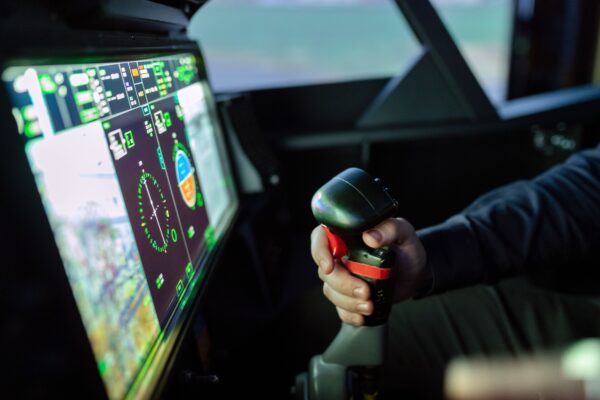
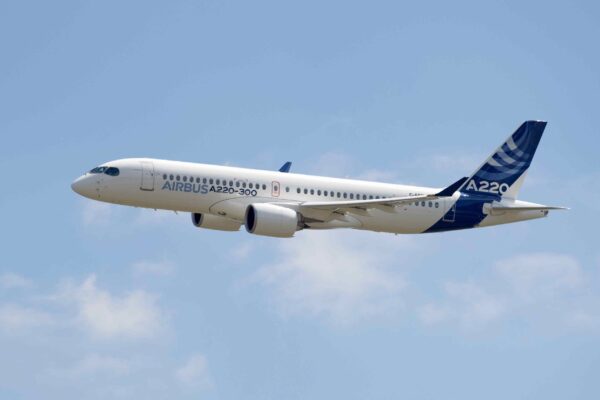
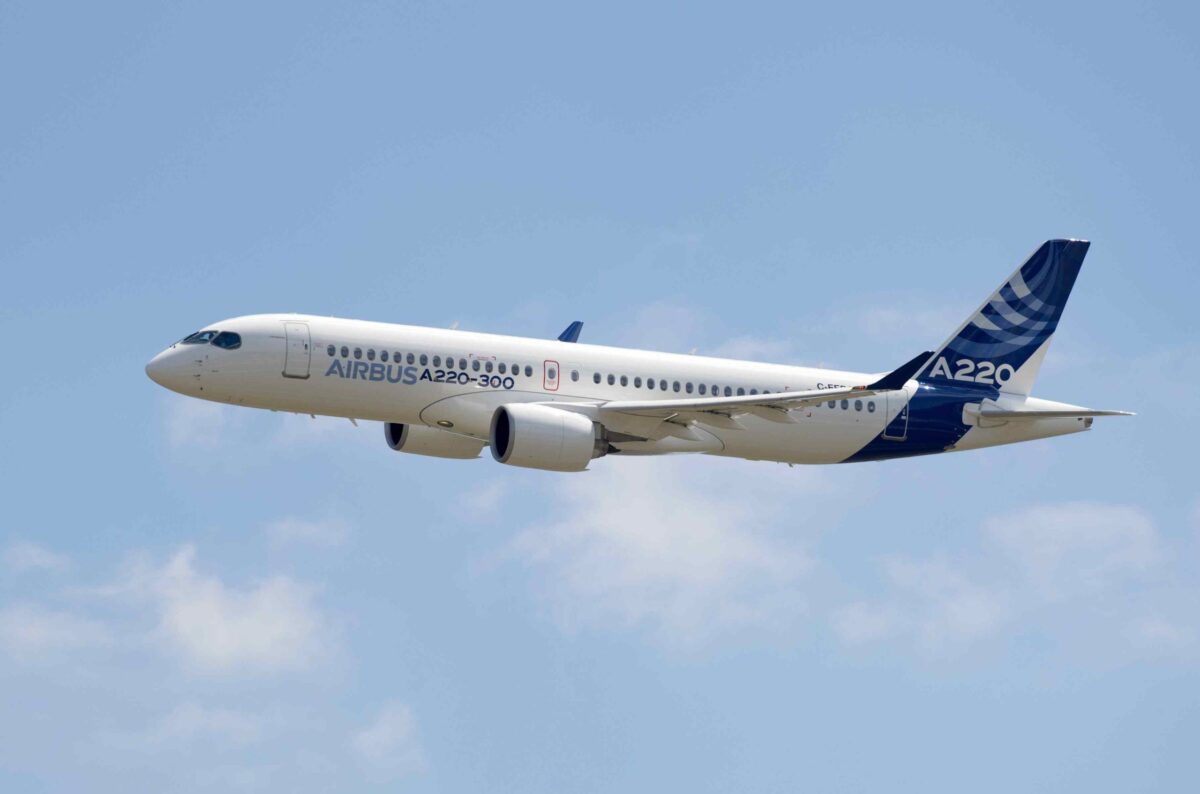
That is becoming increasingly relevant for the Airbus A220, as Flight Training Alliance (FTA), Airbus, and CAE prepare to expand A220 training capacity in Singapore. The companies announced plans to establish an A220 training capability at the Airbus Asia Training Centre (AATC), with a CAE 7000XR full-flight simulator expected to be deployed during 2027.
Bringing A220 Training Closer to Operators
The new simulator is intended to provide additional access to A220 pilot training in the Asia-Pacific region. For airlines introducing the A220, regional training capacity can be an important part of fleet planning. Pilots need access to type-specific training and simulator sessions not only when an aircraft first enters service, but throughout their operational careers. Having training infrastructure in Singapore could make that process more accessible for operators in Asia.
Training Is Part of Fleet Expansion
With every new addition to the fleet comes a whole string of needs besides the acquisition of aircraft.
Airlines require qualified pilots, instructors, maintenance staff, dispatchers, and other operational staff who can support the aircraft. Flight Training Alliance is an Airbus Authorized Training Provider, combining the training power of Lufthansa Aviation Training and CAE. It focuses on A220 training and a key need for today’s aviation training networks is to catch up with the evolution of the aircraft fleet.
Supporting a Growing Aircraft Ecosystem
Airline fleet designs are progressively including the A220, especially for operators seeking aircraft that are appropriate for shorter and medium-range routes. Training demand inevitably rises as more aircraft are put into service. Although the intended simulator won’t be accessible until 2027, its eventual deployment will be an investment in the infrastructure required to facilitate that expansion.The logistical difficulties of transporting pilots across large distances for simulator training can be mitigated and crew planning made easier for operators by having suitable training resources in the area. The development also draws attention to a more general aviation reality: the expansion of an aircraft fleet necessitates the growth of an entire ecosystem. The infrastructure that supports an aircraft can be just as crucial as the aircraft itself, from airports and maintenance facilities to simulators and certified instructors.