

By Flt Ops World Editorial Team
The European Union Aviation Safety Agency (EASA) has introduced the most significant overhaul of Europe’s flight simulation training framework in decades, establishing a new regulatory approach designed to support technological innovation while enhancing the effectiveness of pilot training.
Announced through Regulation (EU) 2026/781 and supported by the newly published Certification Specifications for Flight Simulation Training Devices (CS-FSTD Issue 1), the framework fundamentally changes how simulation devices are qualified and integrated into pilot training programmes.
The initiative reflects the growing importance of simulation within modern aviation, as regulators and industry stakeholders seek to leverage emerging technologies while maintaining the highest levels of safety and training quality.
A New Era for Flight Simulation Training
Flight Simulation Training Devices (FSTDs) have long served as a cornerstone of professional pilot training, enabling crews to develop and maintain critical competencies in realistic operating environments without the cost, risk, and environmental impact associated with live aircraft operations.
As aircraft systems become increasingly sophisticated and training methodologies continue to evolve, traditional approaches to simulator qualification have faced growing pressure to adapt.
EASA’s new framework addresses this challenge by moving away from the long-established system of categorising simulators according to fixed device types and qualification levels. Instead, the agency has introduced a more flexible and scalable capability-based model that evaluates training devices according to what they are actually capable of reproducing.
The change is intended to provide a future-proof structure that can evolve alongside advances in simulation technology, ensuring new training tools can be adopted more efficiently without requiring a complete redesign of the regulatory framework.
Introducing the FSTD Capability Signature
At the centre of the new regulatory architecture is the introduction of the FSTD Capability Signature (FCS).
The FCS establishes a standardised method for defining and communicating the capabilities of a simulation device through a structured assessment of specific simulator features and fidelity levels.
Rather than relying on traditional simulator classifications alone, training organisations, operators, and regulators will be able to identify precisely which training tasks a particular device can support.
This approach provides greater transparency and flexibility while helping ensure that training programmes are aligned with operational learning objectives.
According to EASA, the new qualification philosophy better reflects the rapidly evolving nature of simulation technology and creates a framework capable of accommodating future developments.
Supporting Innovation in Next-Generation Training Technologies
One of the most notable aspects of the new framework is its recognition of emerging technologies that are beginning to influence aviation training environments.
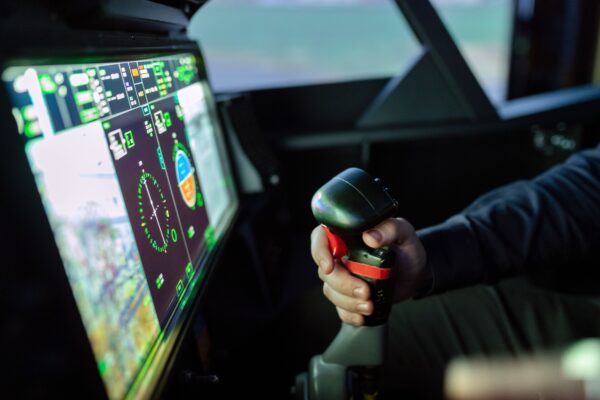
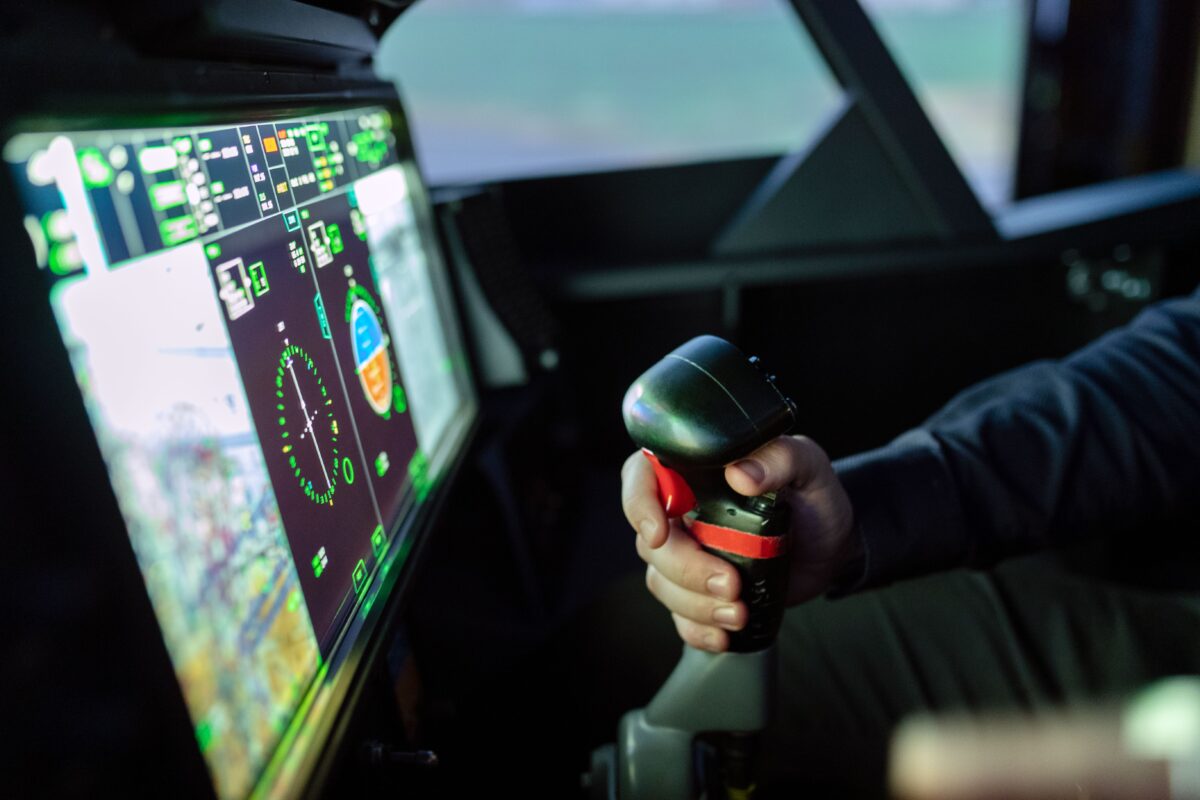
The regulations introduce dedicated qualification provisions for touchscreen-based flight deck interfaces, reflecting the increasing prevalence of modern cockpit designs across both commercial and advanced air mobility aircraft.
The framework also establishes qualification requirements and guidance for Extended Reality (XR) applications, including virtual, augmented, and mixed-reality technologies that are expected to play an expanding role in pilot training over the coming years.
These provisions provide manufacturers and training providers with a clearer pathway for integrating innovative technologies into approved training programmes while maintaining regulatory oversight and safety standards.
As aviation continues moving toward increasingly digital and immersive learning environments, the inclusion of XR technologies signals EASA’s intention to create a regulatory structure that can accommodate future training concepts.
A More Flexible Approach to Training Design
Beyond simulator qualification, the new regulations introduce an optional Task-to-Tool Training Methodology, representing a significant shift in how training organisations may design and deliver training programmes.
Under this approach, Approved Training Organisations (ATOs) and operators can select the most suitable simulation device based on the specific training objective being addressed, rather than relying solely on traditional device classifications.
The methodology allows greater flexibility in matching training tasks with the capabilities of individual devices, potentially improving training efficiency while preserving rigorous safety standards.
For operators facing increasing training demands and pilot shortages across various sectors of the aviation industry, the model offers opportunities to optimise training resources without compromising learning outcomes.
Industry Preparedness and Implementation Support
Recognising the scale of the transition, EASA has also launched a comprehensive implementation support programme designed to assist manufacturers, operators, national aviation authorities, and training organisations in adopting the new framework.
The programme will include:
- Detailed guidance material
- An implementation support manual
- Industry workshops and stakeholder engagement activities
- Regulatory guidance on applying the new qualification methodology
The first information session is scheduled to take place on 15 December 2026 at EASA headquarters in Cologne, with additional workshops planned throughout 2027.
The extended implementation period reflects EASA’s commitment to ensuring a smooth transition while encouraging broad industry participation.
Regulator Perspective
Highlighting the importance of the new framework, Francesco Gaetani, Flight Standards Director at EASA, emphasised the growing role of simulation in aviation’s future.
“Flight simulation has transformed pilot training over the past decades and will continue to play a central role in the future of aviation.”
“The new framework creates a modern and flexible system that reflects what training devices can actually do rather than how they have traditionally been classified. It supports innovation, enables new technologies to be integrated into training and helps ensure that pilots continue to receive effective, high-quality training in an evolving aviation environment.”
His comments underline EASA’s broader objective of balancing innovation with the industry’s enduring commitment to safety and competency-based training.
A Foundation for Future Aviation Training
The introduction of Regulation (EU) 2026/781 represents far more than a technical update to simulation requirements. It establishes a modern regulatory framework designed to support the next generation of pilot training technologies while ensuring that safety remains at the forefront of aviation operations.
By introducing capability-based qualification, the FSTD Capability Signature, support for touchscreen and XR technologies, and a task-focused training methodology, EASA is positioning Europe’s training ecosystem for the next phase of technological evolution.
For simulator manufacturers, airlines, training organisations, and regulators, the new framework offers a pathway toward more adaptive, efficient, and technologically advanced training environments.
As aviation enters an era increasingly shaped by digital innovation, advanced aircraft systems, and new operational concepts, EASA’s modernised approach to flight simulation may prove to be one of the most significant developments in pilot training since the widespread adoption of full-flight simulators themselves.