
Each flight produces a huge volume of data. For airlines it’s not just a question of gathering it up. It’s ensuring that the various teams interpreting that data can learn from one another’s picture. Flight data is used to fuel teams to uncover opportunities to save fuel. It is analysed by safety teams for operational risks. It is used by pilots in training and post flight debrief. However, these functions are sometimes performed in different systems, and using the same information from the same aircraft.
OpenAirlines is going with a different tack.
In March, the Toulouse-based aviation software company announced the acquisition of CEFA Aviation, a specialist in 3D flight data animation for pilots’ training, debriefing and safety analyses. The acquisition adds CEFA’s technology on top of OpenAirlines’ SkyBreathe platform which accesses flight-related data and increases efficiency by employing artificial intelligence. The concept of the acquisition is very simple: one flight has the potential to give good information on the conditions under which an aircraft was flown and on the efficiency of flight.
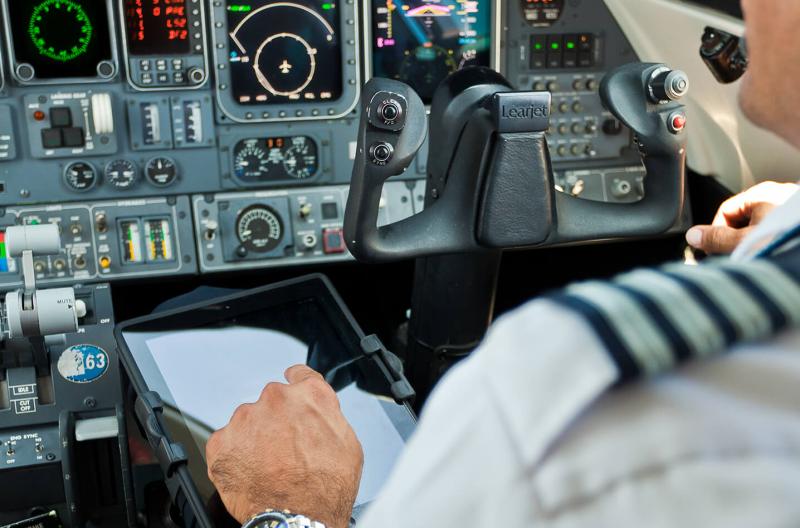
By simulating these scenarios in a detailed 3D animation of the cockpit, CEFA’s technology can recreate the flight and enable pilots and safety officials to analyze what occurred during the flight, rather than just relying on numerical data and reports. Taking a different angle, utilizing the same information, SkyBreathe evaluates flight data from a fuel-efficiency perspective to identify potential improvement in fuel consumption.
Putting them all into a single package would enable airlines to have a more unified picture of their flight operation, connecting pilot behaviors, safety analysis, training, and fuel efficiencies, rather than considering them as totally disjointed domains.
Connecting the Flight Operations Picture
That is part of OpenAirlines’s overarching vision of a more ‘Connected’ Flight Ops environment that utilises connected data to support safety, pilot training, fuel efficiency and operational performance. The companies already have considerable industry penetration.
OpenAirlines claims that over 80 airlines are relying on its solutions, and that CEFA has over 100. Some 90,000 pilots use their combined tools.The integration will be a process that will take some time. OpenAirlines intends to roll out the combined features in stages, starting with pilot engagement, and then post-flight analysis. Its success will rely on the efficacy of the technologies within the everyday routines of airline teams. The move, however, is part of a bigger trend throughout aviation.
The amount of operational data airlines have access to is greater than ever. The next competitive edge can’t be about gathering even more of it, but rather using the data already being gathered and converting it into usable information for pilots, safety teams, and operations managers.