
Major events are not usually the cause of disruption in aircraft operations. Sometimes it begins with a little piece of information that needs to be manually verified, an incomplete record, or a schedule conflict.
Leon Software’s most recent platform upgrade, Leon 224, which was made available on August 24, addresses some of those routine operational details. Crew planning, flight operations, scheduling, reporting, security, and system administration are all affected by the release. Instead of concentrating on a single, significant new feature, the update combines a number of smaller modifications that are tailored to aircraft operators’ daily tasks.
Helping Planners Manage Crew More Effectively
One area that Leon 224 is focusing on is crew planning.
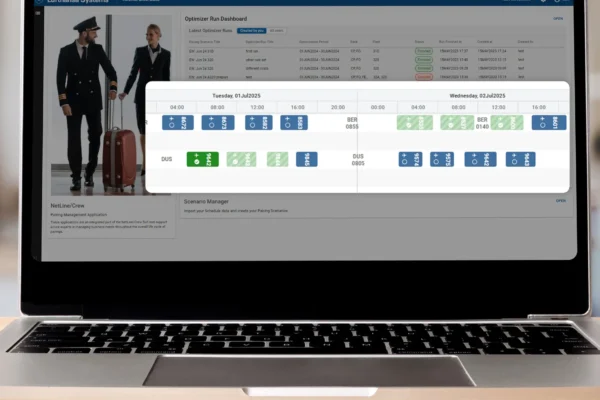
In order to aid detect instances where a crew member already has a job scheduled for the chosen period, the system now offers extra checks when assigning personnel. Additionally, the update improves how overnight positionings show up in the Crew Calendar and introduces adjustable restrictions for layovers and pairs. These limitations can make it simpler for planners overseeing intricate rosters to spot any conflicts before they have an impact on the timetable.
Capturing More Operational Detail
Leon 224 also introduces changes to the Journey Log and operational workflows. A new Return to Ramp section allows operators to record situations where an aircraft leaves the gate but subsequently returns without operating the planned flight. The scheduling system has also been updated to calculate flight time based on block time and airport taxi times, helping ensure the relevant information is populated correctly in operational messages. These may seem like small improvements, but aviation operations are built around thousands of such details every day.
Building Around Existing Workflows
Additionally, Leon has made updates to its Wingman and MCP tools, qualification management, audit logs, password security, and APIs. Because the company uses a regular software development cycle, changes can be released gradually instead of waiting for sporadic big releases. When it concentrates on real-world problems that teams face in regular operations, continuous development can be helpful for aviation operators. An excellent illustration of this strategy is Leon 224. The accumulation of advancements in personnel planning, scheduling, records, and operational management is more important than a single standout feature.