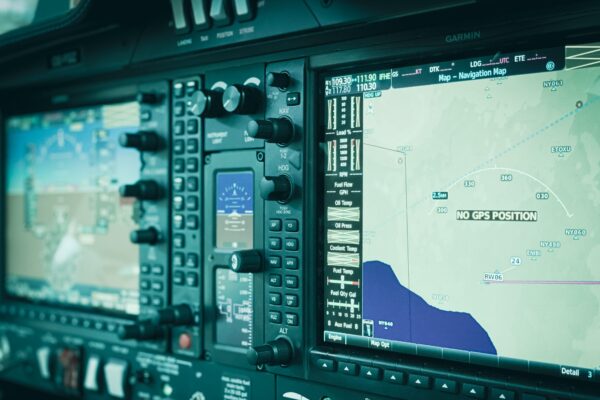


The aviation industry’s increasing reliance on satellite-based navigation systems has delivered significant improvements in safety, efficiency, and operational performance. However, as Global Navigation Satellite System (GNSS) technologies become more deeply embedded in modern flight operations, they have also become an emerging target for interference activities that threaten the integrity of aircraft navigation.
Recognizing the growing severity of this challenge, the European Union Aviation Safety Agency (EASA) and the International Air Transport Association (IATA) have launched a coordinated effort to strengthen aviation’s resilience against GNSS spoofing and jamming.
Following a high-level industry workshop held at EASA headquarters in Cologne, both organizations outlined a series of measures designed to address what is increasingly being viewed as one of aviation’s most significant emerging safety risks.
The initiative brings together airlines, aircraft manufacturers, avionics suppliers, air navigation service providers, regulators, and government authorities in a collective effort to protect the future reliability of Positioning, Navigation, and Timing (PNT) services used throughout global aviation.
Why GNSS Has Become Critical to Modern Aviation
GNSS technologies, including the United States’ GPS and the European Union’s Galileo systems, have become fundamental components of modern flight operations.
Aircraft use satellite navigation systems to support a wide range of critical functions, including:
- Area navigation (RNAV)
- Performance-Based Navigation (PBN)
- Required Navigation Performance (RNP) procedures
- Precision and non-precision approaches
- Flight management systems
- Surveillance and situational awareness
The adoption of GNSS-based operations has enabled airlines and air navigation service providers to improve airspace efficiency, reduce fuel consumption, optimize flight trajectories, and enhance operational safety.
However, growing dependence on satellite navigation has also increased exposure to vulnerabilities that did not exist in traditional ground-based navigation environments.
As interference incidents become more frequent, regulators are increasingly focused on ensuring that aviation can continue operating safely when satellite navigation services are disrupted.
Understanding the Threat: Jamming and Spoofing
The workshop highlighted two distinct but related threats affecting satellite navigation systems.
GNSS Jamming
Jamming occurs when a signal is deliberately blocked or overwhelmed, preventing the aircraft’s receiver from obtaining valid satellite navigation information.
In many cases, jamming can result in the loss of positioning capability, forcing crews to rely on alternative navigation methods and onboard redundancies.
GNSS Spoofing
Spoofing presents an even more complex challenge.
Rather than blocking a signal, spoofing transmits false navigation information to the aircraft’s systems, potentially causing the aircraft to calculate an incorrect position.
Because the aircraft may initially perceive the signal as legitimate, spoofing can be particularly difficult to detect without appropriate procedures, training, and technological safeguards.
According to EASA and IATA, incidents involving both jamming and spoofing have increased significantly across parts of Eastern Europe and the Middle East, with similar occurrences also being reported in other regions around the world.
The issue has evolved from an isolated technical concern into a strategic safety and operational challenge affecting the global aviation network.
Industry Leaders Sound the Alarm
Speaking following the workshop, Luc Tytgat, Acting Executive Director of EASA, emphasized both the benefits of GNSS technology and the urgency of addressing the emerging threat.
“GNSS systems offer tremendous advantages to aviation in increasing the safety of operations in a busy shared airspace.”
“But we have seen a sharp rise in attacks on these systems, which poses a safety risk. EASA is tackling the risk specific to these new technologies.”
Tytgat stressed that immediate attention must be given to ensuring flight crews can recognize interference events, understand associated risks, and respond safely when navigation services are compromised.
He further noted that longer-term solutions will require changes in certification requirements for navigation and landing systems, as well as greater aviation involvement in the development of future satellite navigation architectures.
His comments illustrate the industry’s growing recognition that GNSS resilience can no longer be treated as solely a technical issue but must become an integral component of aviation safety strategy.
Airlines on the Front Line
From the airline perspective, the operational impact of GNSS interference is becoming increasingly visible.
Willie Walsh, Director General of IATA, highlighted the industry’s concerns regarding the growing number of incidents being reported by airline operators worldwide.
“Airlines are seeing a significant rise in incidents of GNSS interference.”
Walsh pointed to three critical requirements for improving resilience:
- Coordinated collection and sharing of GNSS safety data
- Standardized procedural guidance from aircraft manufacturers
- Continued availability of traditional navigation systems as backup solutions
He also emphasized that airlines must remain central to any long-term solution.
As the organizations operating aircraft on a daily basis, airlines are often the first to encounter and manage the operational consequences of navigation disruptions.
Their operational experience and safety data will therefore play a crucial role in shaping future mitigation strategies.
Building a Stronger Defense Through Data Sharing
One of the most important outcomes of the workshop was agreement on the need for enhanced reporting and information sharing.
Aviation stakeholders acknowledged that no single organization possesses a complete picture of the threat landscape.
To improve understanding, EASA and IATA are supporting greater integration of safety information gathered through various reporting systems, including:
- EASA’s European Occurrence Reporting Scheme
- EASA’s Data4Safety programme
- IATA’s Flight Data Exchange (FDX)
- EUROCONTROL’s EVAIR reporting system
The objective is to build a more comprehensive and accurate picture of where, when, and how interference events occur.
Improved visibility into emerging patterns will help regulators and operators develop more effective mitigation measures while improving situational awareness across the industry.
Strengthening Operational Guidance for Flight Crews
Another key recommendation focused on the development of clearer and more consistent guidance from aircraft manufacturers.
As GNSS interference events become more common, flight crews require standardized procedures that enable them to quickly recognize and respond to navigation anomalies.
Aligned with EASA’s existing safety guidance, manufacturers are being encouraged to provide operators with enhanced operational procedures and recommendations for handling both jamming and spoofing scenarios.
Improved guidance can help crews maintain situational awareness, transition to alternate navigation methods, and safely complete flights despite navigation disruptions.
The workshop participants recognized that pilot training and awareness remain among the most effective near-term defenses against GNSS-related threats.
Retaining Traditional Navigation Infrastructure
While much of aviation’s future will continue to rely on satellite-based solutions, workshop participants emphasized the importance of maintaining conventional navigation capabilities.
One of the agreed recommendations is preserving a Minimum Operational Network (MON) of traditional ground-based navigation aids.
These systems provide an essential backup when GNSS services become unreliable or unavailable.
In an era of increasing digitalization, the recommendation reflects a broader aviation principle: resilience requires redundancy.
Maintaining alternative navigation capabilities ensures that aircraft can continue operating safely even when advanced systems are degraded.
GNSS Interference as a Cybersecurity Challenge
The workshop also recognized that GNSS spoofing and jamming extend beyond traditional navigation concerns and increasingly fall within the cybersecurity domain.
These attacks deliberately target critical infrastructure and operational systems that aviation depends upon for safe and efficient operations.
As a result, EASA has incorporated GNSS interference into its broader cybersecurity framework and developed tools to help aviation stakeholders identify and manage associated risks.
The involvement of cybersecurity expertise reflects the evolving nature of aviation safety, where digital threats are becoming just as important as traditional operational hazards.
Industry Perspective
The EASA-IATA workshop marked an important early step in what is likely to become one of aviation’s most significant resilience initiatives over the coming decade.
Satellite navigation has transformed modern aviation by enabling safer, more efficient, and environmentally sustainable operations. Yet the rise of spoofing and jamming incidents demonstrates that the industry’s increasing dependence on GNSS must be matched by equally robust defenses.
The workshop’s recommendations acknowledge that no single solution will eliminate the threat. Instead, resilience will require a combination of improved reporting, enhanced pilot training, coordinated industry action, stronger aircraft systems, real-time information sharing, and the preservation of traditional backup navigation infrastructure.
For airlines, regulators, manufacturers, and air navigation service providers, the message is clear: GNSS interference is no longer a theoretical concern. It is an operational reality that requires immediate attention and long-term strategic planning.
By bringing together industry and regulatory leadership, EASA and IATA have laid the foundation for a coordinated global response aimed at ensuring satellite navigation remains a trusted pillar of aviation safety in an increasingly complex operating environment.